Moringa may benefit your health
Moringa is one of the world’s most nutritious crops.
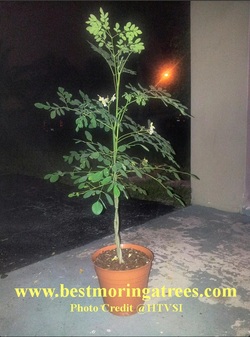
The Moringa oleifera tree also known as the Horseradish or Drumstick tree is one of the most underutilized of tropical crops. The tree is native to India but has been planted all around the world.
Ideal Growing Conditions:
These trees grow best at temperatures between 77 and 95 degrees F. They can even deal with a light frost! Moringa prefers a well-drained sandy loam or loam soil, but tolerates clay. It will not survive under prolonged flooding and poor drainage. Moringa can grow in a soil pH range between 5.0–9.0. Grow trees in full sun for best growth and production of leaves, flowers and pods.
Irrigate newly transplanted trees immediately to promote early root development. When planting during the dry season irrigate regularly if temperatures are high and less when temperatures drop below 60 degrees F. Once established, Moringa rarely need watering. The well-rooted tree tolerates drought and needs irrigation only when persistent wilting is evident.
Moringa trees are fast growers and can be harvested while just five or six feet tall. Harvesting is done by cutting away two feet from the tops and drying the leaves in the shade. Trees also bear flowers that produce bean pods.
Container grown trees need more attention to watering and temperature variations. Do not over water your container grown tree! Root rot can come on very quickly. This is especially true if the tree is planted in a pot that is way too big for it's root system. Transplant gradually from 1 gal to 3 gal to 7 gal etc. Be sure to transplant as they grow and pinch the tops to keep the trees bushy and vigorous!
Food & Nutritional Value:
In many parts of the world the leaves of the tree and its beans are cooked and eaten by the locals. Many people in the United States and Europe take Moringa leaf powder in capsule form for better health. A standard capsule generally contains 500 mg of pure Moringa leaf extract. Moringa leaf is believed to be a remedy for hypertension and lowering cholesterol. You can easily grow moringa seeds and have a steady supply of healthy micro green superfoods.
The dried leaves are made into powder and also added to stews, salads and other foods to increase the amount of protein in the meal. Many sources also claim that the powder helps to increase lactation and fortify mothers breast milk.
The pods are extremely nutritious and they contain essential amino acids, vitamins and minerals. The immature pod can be eaten raw or prepared like green peas or green beans. Mature pods are usually fried and have a flavor much like peanuts. Immature green pods are often preferred to mature beans. The pods also yield an edible oil known as Ben Oil. This oil is odorless, clear and sweet.
Moringa leaves contain:
Seven times the vitamin C in oranges.
Four times the Calcium in milk.
Four times the vitamin A of a carrot.
Twice the protein in milk.
Three times the Potassium in a banana.
They also provide high levels of Iron, Magnesium, vitamin B and minerals.
Many people use the root as a substitute for horseradish.
This is not a good idea! The roots contain powerful alkaloids and they can cause severe poisoning.
Other uses of the powder and beans are in water purification.
Moringa can also be used as animal feed and as a green manure for organic gardening. The composted leaves and stems make an excellent fertilizer.
Moringa leaf extract contains a plant growth hormone:
Moringa leaves contain a hormone called Zeatin. This plant growth hormone has been reported to increase yields by 25-30% for nearly any crop:
A fresh juice may be prepared from fresh moringa leaves and used as a foliar nutritional spray. Zeatin is a plant hormone from the cytokinins group. This foliar spray should be used in addition to a balanced nutritional fertilizer program containing NPK and minerals.
Ideal Growing Conditions:
These trees grow best at temperatures between 77 and 95 degrees F. They can even deal with a light frost! Moringa prefers a well-drained sandy loam or loam soil, but tolerates clay. It will not survive under prolonged flooding and poor drainage. Moringa can grow in a soil pH range between 5.0–9.0. Grow trees in full sun for best growth and production of leaves, flowers and pods.
Irrigate newly transplanted trees immediately to promote early root development. When planting during the dry season irrigate regularly if temperatures are high and less when temperatures drop below 60 degrees F. Once established, Moringa rarely need watering. The well-rooted tree tolerates drought and needs irrigation only when persistent wilting is evident.
Moringa trees are fast growers and can be harvested while just five or six feet tall. Harvesting is done by cutting away two feet from the tops and drying the leaves in the shade. Trees also bear flowers that produce bean pods.
Container grown trees need more attention to watering and temperature variations. Do not over water your container grown tree! Root rot can come on very quickly. This is especially true if the tree is planted in a pot that is way too big for it's root system. Transplant gradually from 1 gal to 3 gal to 7 gal etc. Be sure to transplant as they grow and pinch the tops to keep the trees bushy and vigorous!
Food & Nutritional Value:
In many parts of the world the leaves of the tree and its beans are cooked and eaten by the locals. Many people in the United States and Europe take Moringa leaf powder in capsule form for better health. A standard capsule generally contains 500 mg of pure Moringa leaf extract. Moringa leaf is believed to be a remedy for hypertension and lowering cholesterol. You can easily grow moringa seeds and have a steady supply of healthy micro green superfoods.
The dried leaves are made into powder and also added to stews, salads and other foods to increase the amount of protein in the meal. Many sources also claim that the powder helps to increase lactation and fortify mothers breast milk.
The pods are extremely nutritious and they contain essential amino acids, vitamins and minerals. The immature pod can be eaten raw or prepared like green peas or green beans. Mature pods are usually fried and have a flavor much like peanuts. Immature green pods are often preferred to mature beans. The pods also yield an edible oil known as Ben Oil. This oil is odorless, clear and sweet.
Moringa leaves contain:
Seven times the vitamin C in oranges.
Four times the Calcium in milk.
Four times the vitamin A of a carrot.
Twice the protein in milk.
Three times the Potassium in a banana.
They also provide high levels of Iron, Magnesium, vitamin B and minerals.
Many people use the root as a substitute for horseradish.
This is not a good idea! The roots contain powerful alkaloids and they can cause severe poisoning.
Other uses of the powder and beans are in water purification.
Moringa can also be used as animal feed and as a green manure for organic gardening. The composted leaves and stems make an excellent fertilizer.
Moringa leaf extract contains a plant growth hormone:
Moringa leaves contain a hormone called Zeatin. This plant growth hormone has been reported to increase yields by 25-30% for nearly any crop:
A fresh juice may be prepared from fresh moringa leaves and used as a foliar nutritional spray. Zeatin is a plant hormone from the cytokinins group. This foliar spray should be used in addition to a balanced nutritional fertilizer program containing NPK and minerals.
How to prepare a foliar nutritional by using moringa leaves:
5lbs of leaves mixed with 5 cups of water and strained in a cloth. Collect all the juice and mix at the rate of 1:8 Spray all parts of plants a few hours before sundown. Be sure to spray under and over the leaves of your crops. Use this spray about one week after seedlings emerge and once per month before plants begin to flower.
Moringa also has antibacterial properties and has been studied since the early 1950's in India and other parts of the world.
CAUTION: If you are pregnant or trying to become pregnant, it’s best that you do not use Moringa. Some studies have shown that it may stimulate uterine contractions which can lead to abortion. Talk to your healthcare provider before taking the herb or any supplement that lists it as an ingredient.
Moringa also has antibacterial properties and has been studied since the early 1950's in India and other parts of the world.
CAUTION: If you are pregnant or trying to become pregnant, it’s best that you do not use Moringa. Some studies have shown that it may stimulate uterine contractions which can lead to abortion. Talk to your healthcare provider before taking the herb or any supplement that lists it as an ingredient.