FLORIDA FRUIT TREES FOR FLORIDA CUSTOMERS - FREE STATE WIDE SHIPPING
The following is general information based on my experience growing and selling fruit trees for many years as a nurseryman. Your soil conditions, drainage and tree type may require different care. Please note that each section on fruit tree type makes recommendations on the type of fertilizer to use. Today you and I have many choices when it comes to fertilizers. Below we explain some nutritional basics and offer you some recommendations on products you can use. These days I find myself using less and less synthetic and more organic and mineral based fertilizers.
Soil fertility
Plants need 19 essential nutrients for healthy plant growth:
Of these 19, all except carbon, hydrogen, and oxygen are derived from the soil. When the soil cannot supply the level of nutrients required for adequate growth, traditional horticultural practices call for supplemental fertilizer applications.
Choosing the right method of supplementing the soil is important. You can go organic or synthetic. Azomite is a fantastic mineral based fertilizer that will greatly take your trees to the next level in super nutrition. Have a look at the link below and try some today.
Choosing and caring for fruit trees.
Many varieties of tropical and sub-tropical fruit trees will grow from North Broward County south to the Florida Keys. Do some research and learn the mature size of the tree and its particular cultural requirements. Remember that fruit trees can be messy around your swimming pools so keep them far away.
When choosing your tree start by looking for a healthy one with a strong single trunk that has good branch structure and good color, not root bound and of course free of insects and diseases.
A good quality tree should not be root bound. Choose a tree in a deep pot like a young starter tree in a 3 x 8 or larger tree pot. Typically when shopping at a nursery or ordering trees on line they are grown in 1 gal, 3 gal or a 7 gal containers.
These trees could be root bound and that can become a future problem for the grower. Circling roots become weak and often with time, girdle the trunk below the surface. As the tree grows it gets weaker and weaker and eventually dies or grows very poorly. You may never get fruit or end up with poor quality fruit and productivity.
Trees in deeper containers will develop stronger root systems. One great advantage also is that you can start training the tree earlier and get better results than with larger more expensive trees. Our standard size is a 3 x 8 inch deep nursey pot. The pot is designed to train the roots to grow downwards and not circle. We also have some starter trees in larger deep pots as well.
Most fruit trees can be pruned to a small size for small yards. We at Pepe's Fruit Trees have some semi - dwarf trees available from tome to time. These trees make the task of maintenance and harvesting very easy. No matter the tree type it is wise to keep them no taller than you can reach. Many trees can also be grown in containers and treated very much like bonsai trees.
Your goal should be to maintain a 6-8 foot bushy tree for optimal ease of care, productivity, health and vigor.
When selecting and planting your fruit tree, consider important factors such as sun, water, salt, and wind.
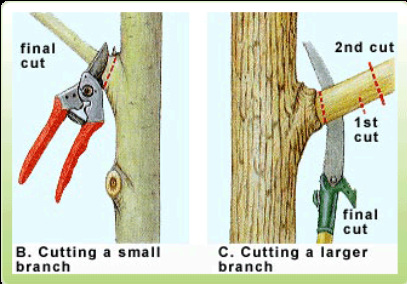
Most Subtropical fruit trees need to be grown in full sun. That means six to eight hours of sun daily. By providing the tree with plenty of sunlight, it will be healthier and you will have better fruit production and growth. Be sure to prune regularly, when it is not flowering or setting fruit. Keep it healthy by allowing space between branches for air to circulate. Prune away branches that grow into the tree and cross each other creating a mess.
You can plant a tree almost all season but spring and summer are best. Water is vital and the proper amount is just one step towards a healthy tree.
A smart watering schedule really depends on your insight. Consider the season. In Florida, Summer is our rainy season and winter is much drier. Some trees are dormant in winter and fall and require little water.
Trees grown in plastic containers will require less water depending on how large the container is and how hot and sunny it is. When growing in a terracotta pot be sure to water more often. With container growing you should use a water probe that will better indicate the moisture level in the pot. They are cheap around $9.99 and work well.
You can place a rain gauge at the base of the tree to keep track of the rain water. Planting trees during the rainy months is smart. Your trees will develop better roots and you conserve water.
Salt intrusion and spray can damage most tropical fruit trees, therefore, it is best to plant trees away from areas that experience saltwater intrusion or storm surge. Plant fruit trees on the highest part of your property or consider mounding the soil to raise the tree. When a tree has received salt spray on the leaves, wash off the leaf surface. When planting trees near ocean breezes try to provide a location that helps protect the tree from moist salty air. Look around your homes landscape for natural windbreaks like large hedges or man made structures. Many fruit trees are not wind tolerant so planting your trees behind a barrier of some type is smart. Lychee trees are not very wind tolerant or salt tolerant!
Initial fertilization can begin six weeks after planting if during spring and summer. In general you can use an organic or other slow release 8-3-9 or similar formula that contains 2% to 4% magnesium plus manganese and iron. Fruit trees need to be sprayed with a micro nutrient spray four times a year. Also, drench roots with liquid chelated irontwice a year. When using organic fertilizer you will need to fertilize at least on a monthly basis during the growing season. It is better to apply small quantities often than large quantities of fertilizer to your trees all at once.
Tip: Some nurseries grow many fruit trees under shade cloth. This is a common practice in the trade. Be sure to ask and if so, slowly acclimate the tree to more and more light before planting. This will avoid the possibility that the trees leaves will sunburn. This won't kill the tree but it won't look to good for a while. Be sure to water lightly if major leaf loss occurs.